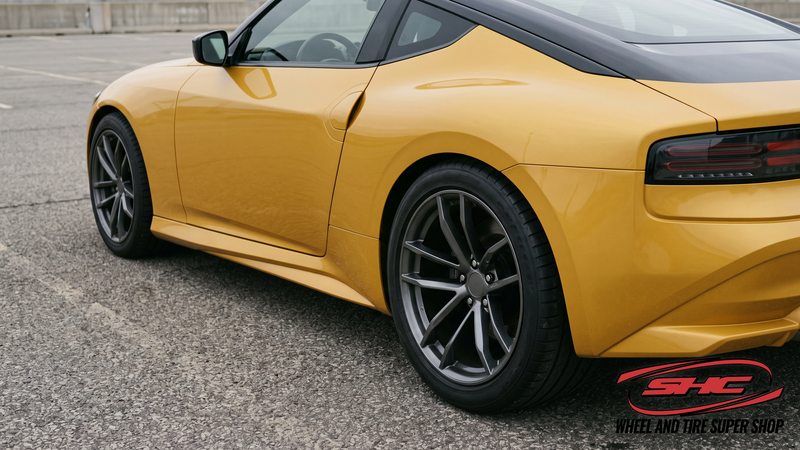
Nissan Z Wheel Fitment: The Hub Is Shared, the Fitment Is Not
The 350Z, the 370Z and the current Z all bolt up the same way, and so do three Infinitis. That does not mean a wheel off one goes on another without thinking.
Read More
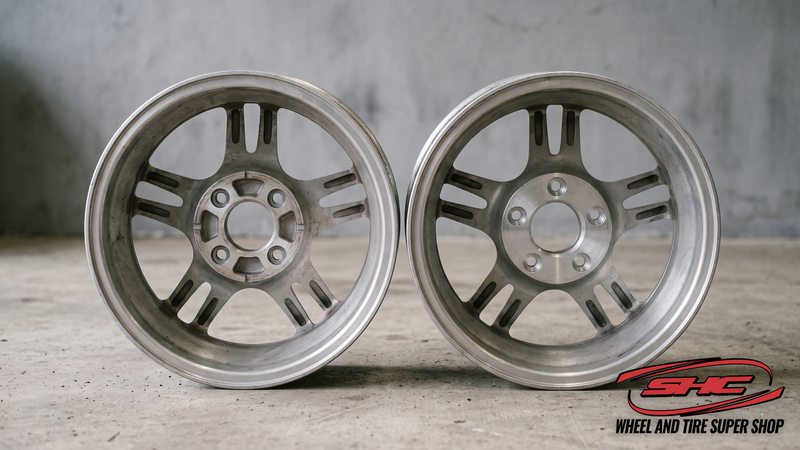
Miata Wheel Fitment: Four Lugs, Except for the Generation That Is Not
Almost every Miata ever built runs four lugs on a 54.1 mm bore. One generation does not, and it is the one people most often buy wheels for by mistake.
Read More
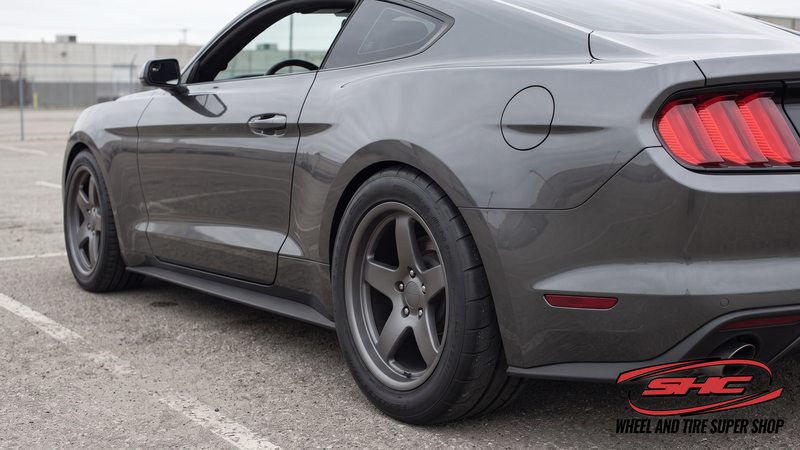
Mustang Wheel Fitment: One Bolt Pattern, Two Different Studs
Every Mustang since 1994 shares the same bolt pattern and the same hub bore. What changed in 2015 was the stud thread, and that is the part that catches people out.
Read More
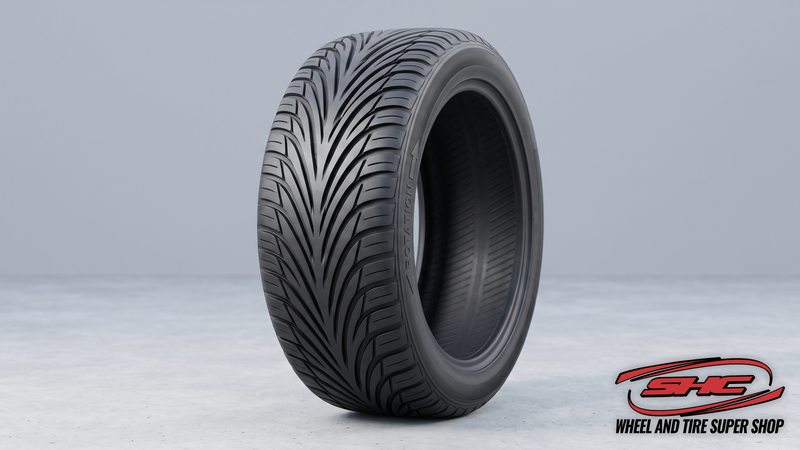
Directional, Asymmetric or Symmetric: Which Tires You Can Rotate
Three tread layouts, and only one of them lets you rotate any way you like. Knowing which set is on your car changes what the tires cost you over their life.
Read More
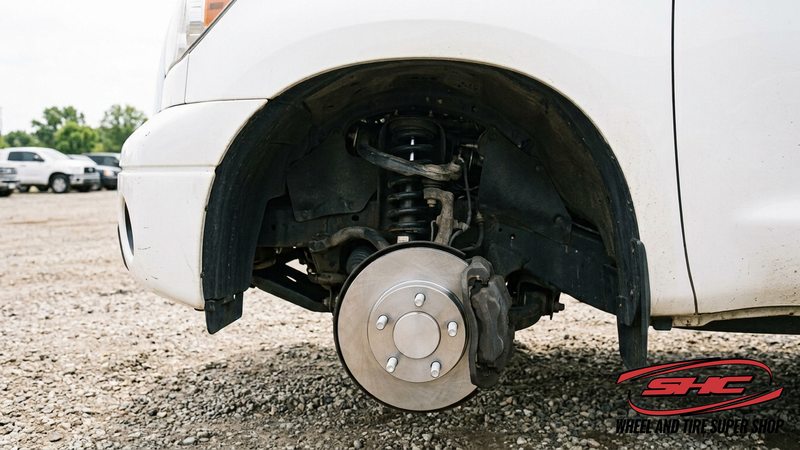
Tundra and Sequoia Wheel Fitment: Not the Same as a Tacoma
For fifteen years no two Toyota trucks shared a hub, and wheels did not cross between them the way people assumed. That just changed - and the change is the thing worth knowing.
Read More
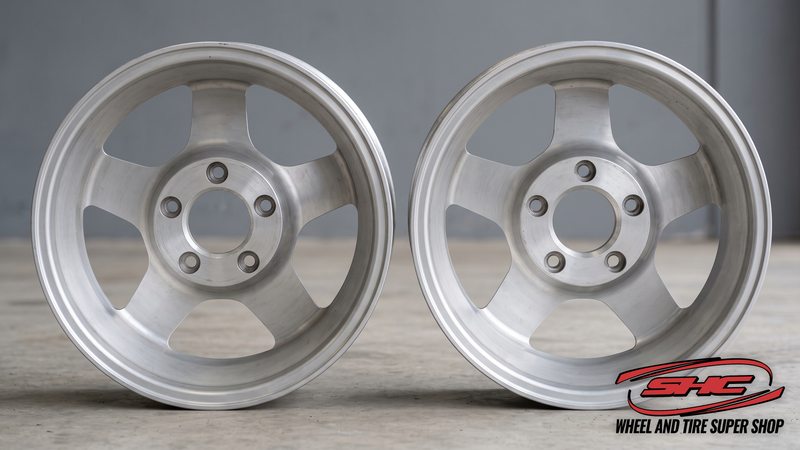
Subaru Wheel Fitment: Six Models, Four Switch Years, One Bore
Subaru moved from 5x100 to 5x114.3 model by model over nearly a decade, so there is no single switch date to remember. The hub bore is 56.1 mm on every one of them, which means the bore tells you nothing.
Read More
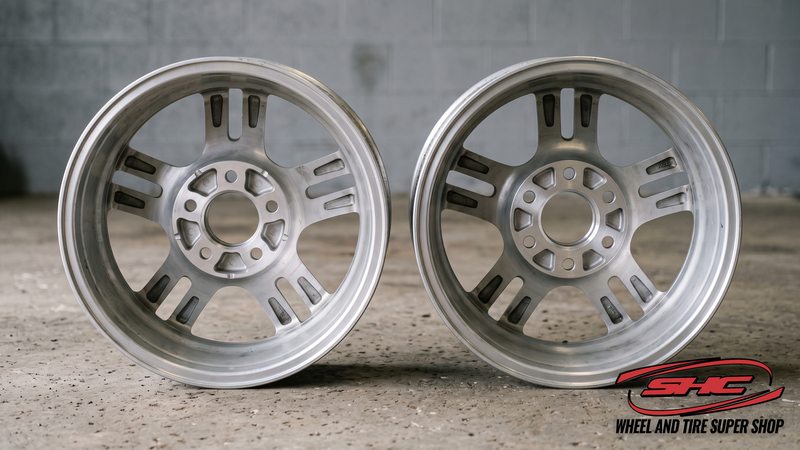
Ram 1500 Wheel Fitment: Same Circle, Different Lug Count
For five years Ram sold two completely different trucks, both badged 1500, at the same time. Same bolt circle, same hub bore, different number of holes - and the listings do not warn you.
Read More
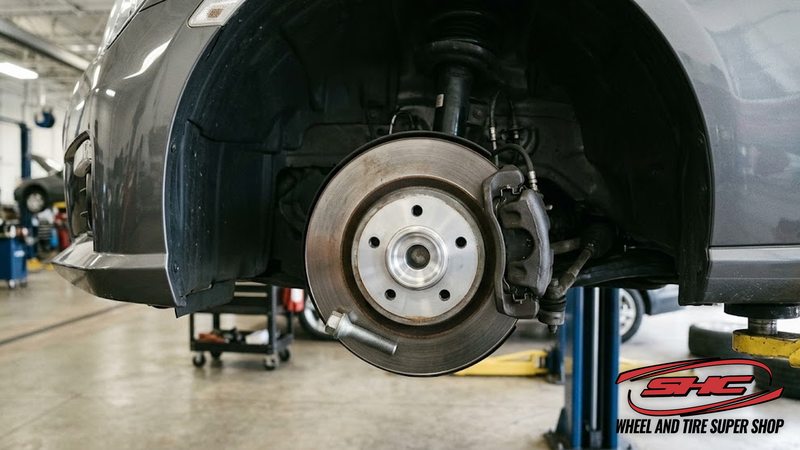
Toyota Supra Wheel Fitment: the A80 and A90 Share Nothing
The Mk4 and the current Supra share a name and not one hub dimension. Different bolt pattern, different bore, studs on one and bolts on the other - and the bolts are the part that costs people money.
Read More
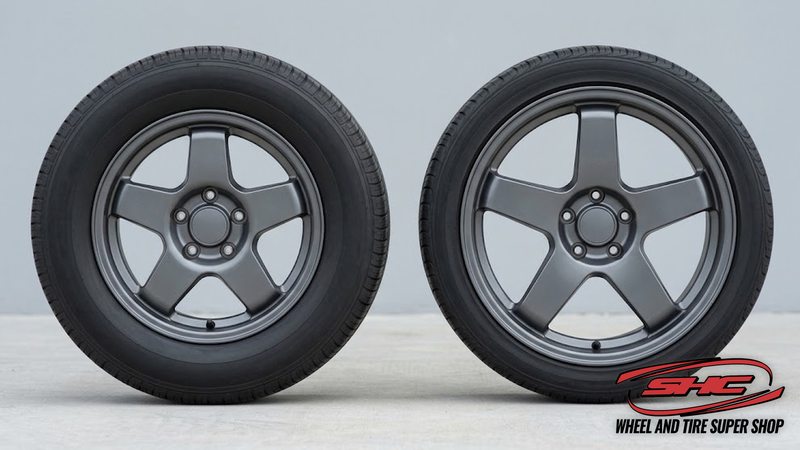
Sizing a Winter Wheel: Why You Go Down, Not Up
Winter is the one time in car modification where smaller is the upgrade. Minus-sizing, the narrower-is-better argument in slush, and the caliper clearance limit that sets the floor.
Read More
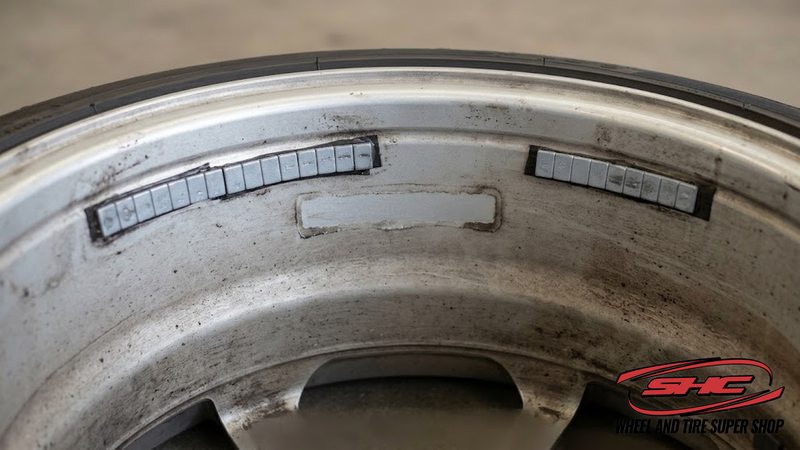
Why a Perfectly Balanced Wheel Can Still Shake
The balancer reads zero grams and the car still vibrates at 100 km/h. The machine is not lying - it measures one thing, and the cause is usually something else.
Read More
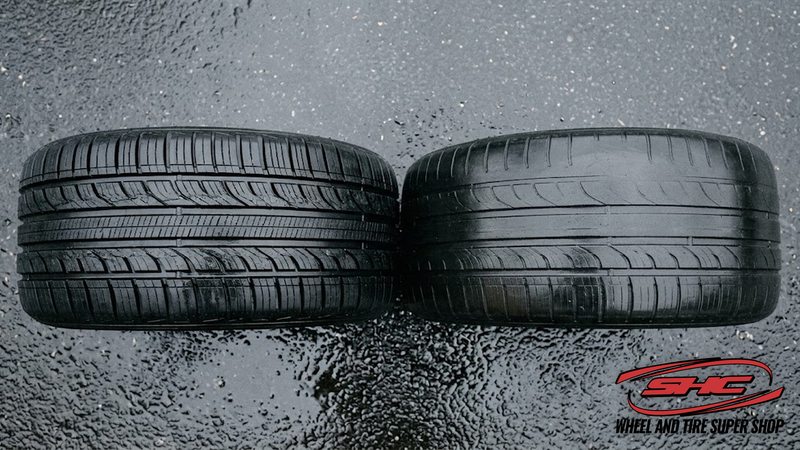
Premium vs Budget Tires: What the Extra Money Actually Buys
Wet braking, compound, siping density and tread life are what separate the tiers. Here is what the extra money buys, in order of how much it matters, plus where the budget tier is genuinely fine.
Read More
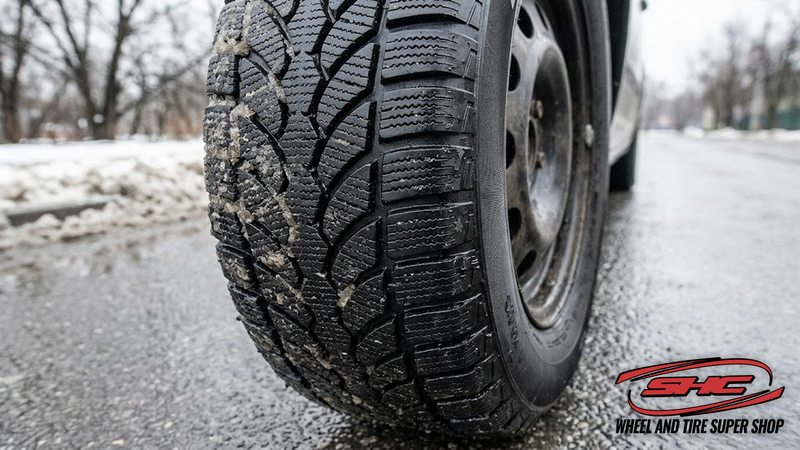
Winter Tires Compared: Blizzak, X-Ice, Hakkapeliitta, VikingContact
Most Island winter driving is cold rain, not snow. Here is what each of the four winter tires people actually buy here is tuned for, and where each one spends the trade.
Read More
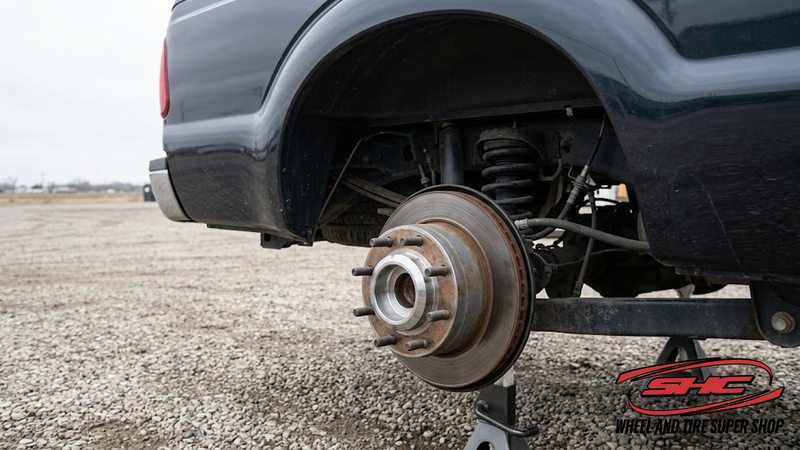
GM Truck Wheel Fitment: When 1500 Does Not Mean Six Lugs
Silverado and Sierra 1500 have been 6x139.7 since 1999. The traps that are real on a GM truck are the eight-lug 1500HD, the 2011 change on the HD trucks, and caliper clearance on a levelled T1XX.
Read More
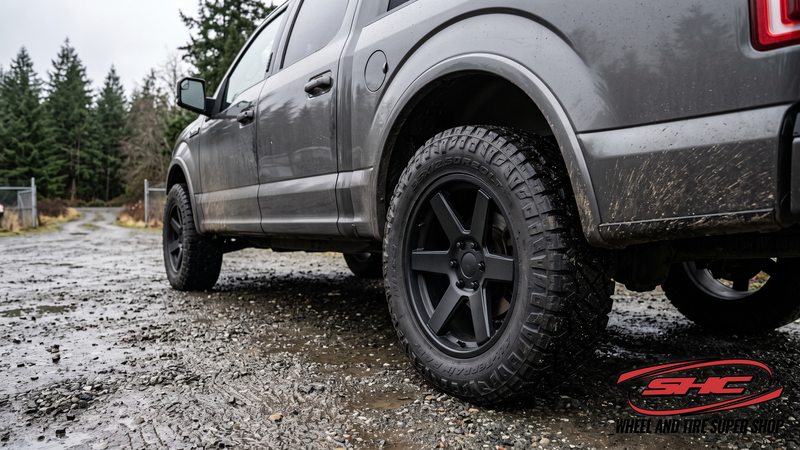
Ford F-150 Wheel Fitment: 6x135 and the 2015 Trap
The F-150 bolt pattern has not moved since 2004. What actually catches people is that 2004 is two different trucks, and that Ford changed the stud thread in 2015 and nothing else.
Read More
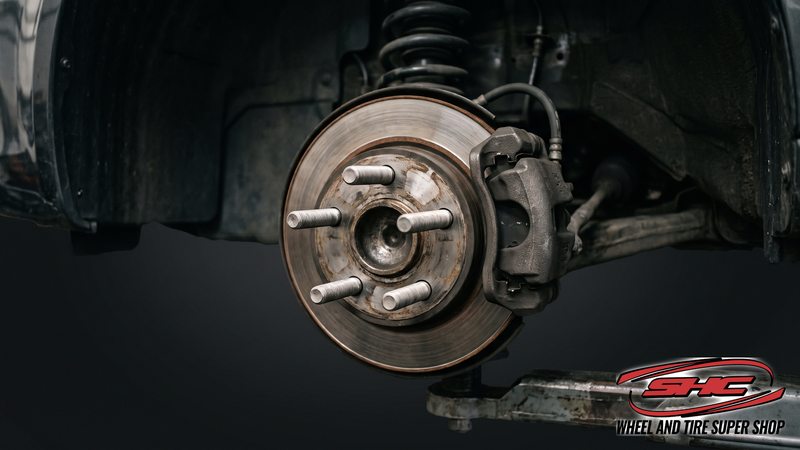
Re-Torque: The Ten-Minute Appointment Nobody Books
A wheel is not held on by the nuts gripping the studs. It is held on by friction, and three things settle in the first few hundred kilometres that quietly reduce it. The real cost of skipping the check is not a wheel departing - it is a wheel that becomes scrap.
Read More
Wheel Spacers: When They Are Fine, When They Are Not, and the BC Angle
Spacers are not automatically a bad idea and not automatically fine. The two kinds are not comparable, thread engagement is measurable rather than a matter of feel, and in BC the question is not whether you have spacers - it is whether the tyre is still under the fender.
Read More
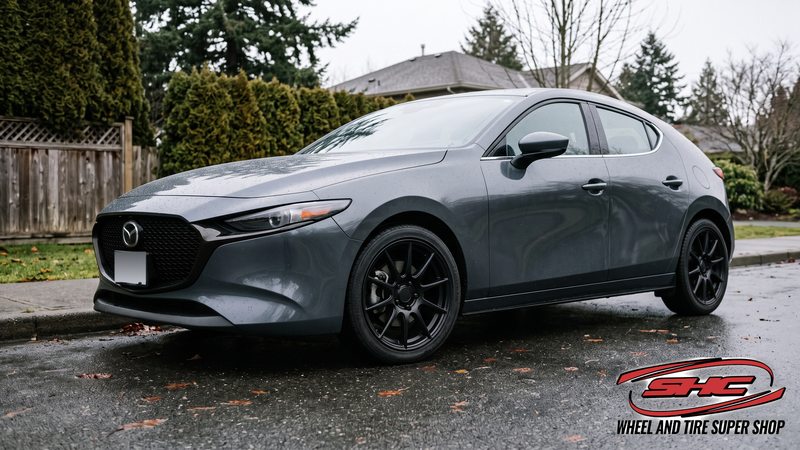
Mazda3, CX-30 and CX-5 Wheel Fitment: One Bolt Pattern, One Number That Changed
All three run 5x114.3 on a 67.1 mm hub, which is convenient and is also the trap. Mazda changed the factory offset partway through both the Mazda3 and the CX-5, so a set off the older car bolts straight onto the newer one and sits five millimetres out of position.
Read More
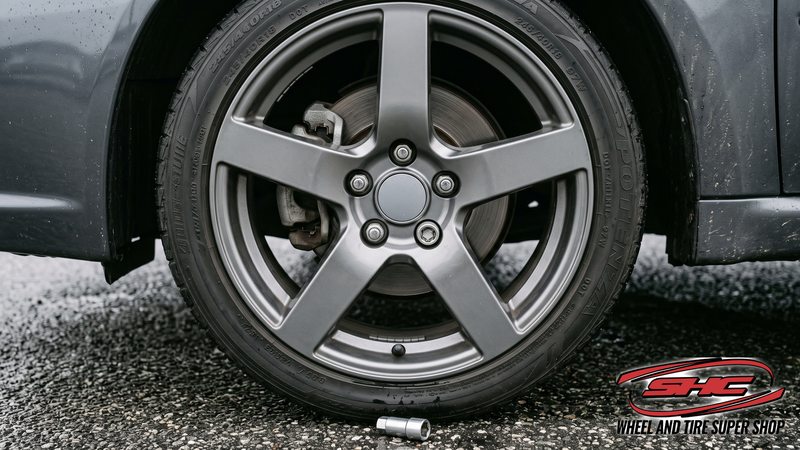
Locking Lug Nuts and Lost Keys: Wheel Hardware That Actually Fits
The key is in the glovebox until the day it is not. How locking keys really fail, the three ways a nut comes off without one, and the seat-type mistake that feels tight and is not clamping your wheel properly.
Read More
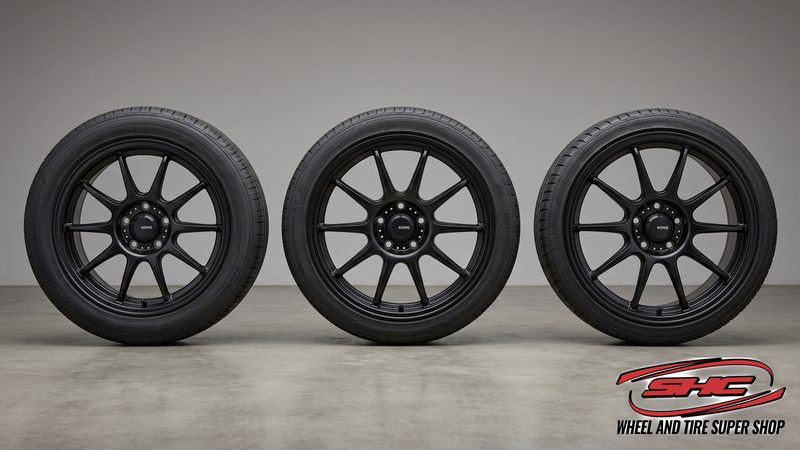
18, 19 or 20 Inch: What Bigger Wheels Actually Cost You on Island Roads
The wheel grows, the sidewall shrinks, and the overall diameter stays put. What you gain, what you give up, real measured range figures for EVs, and why a second set for winter is what makes big wheels work here.
Read More
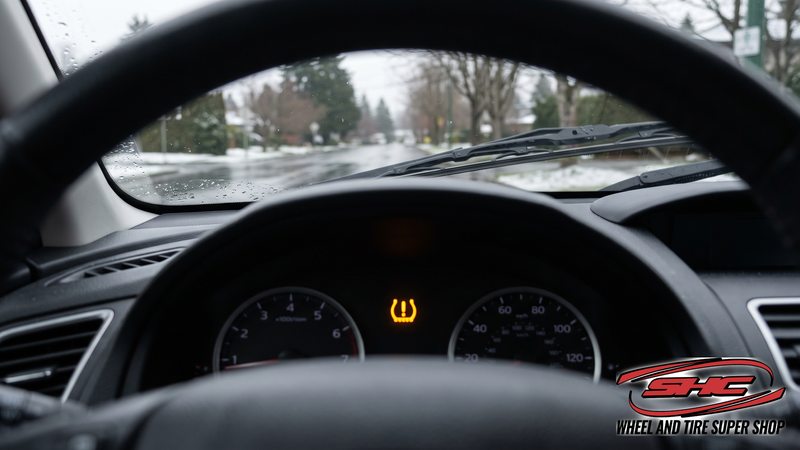
TPMS and a Second Set of Wheels: The Light That Will Not Go Out
Two completely different systems are both called TPMS, and which one your car has decides everything. Several makers switched mid-model without changing anything you can see. Your three options for a winter set, and why your sensor batteries all died at once.
Read More
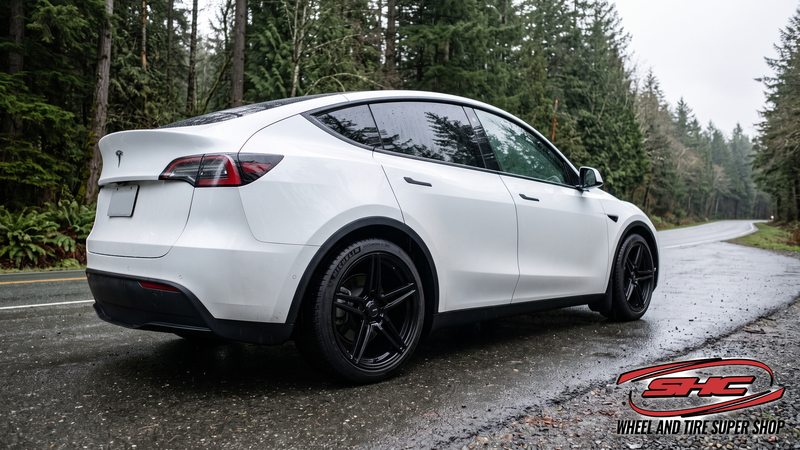
Tesla Model 3 and Model Y Wheel Guide: What Bigger Wheels Cost You in Range
On a Tesla the wheel decision is a range decision, and the numbers are bigger than people expect. Factory specs by year and variant, the October 2020 change that catches people out, the two incompatible TPMS protocols, and what the aero covers are actually worth.
Read More
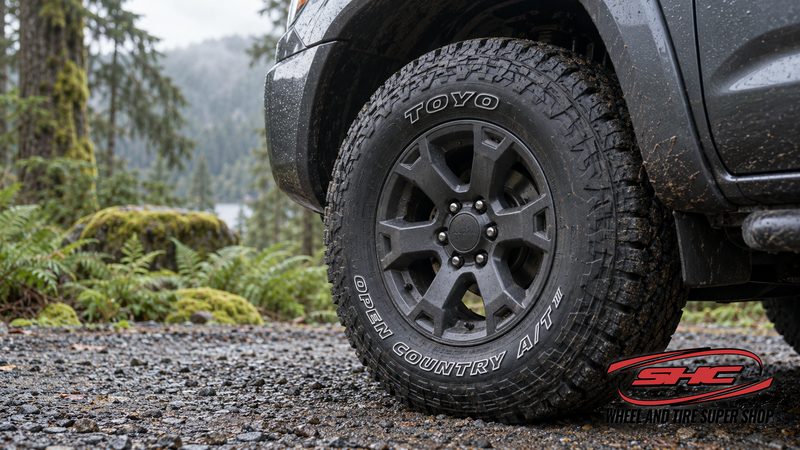
Tacoma and 4Runner Wheel Fitment: Offsets, Tire Sizes and What Has to Be Cut
The 2024 Tacoma and 2025 4Runner changed both the hub bore and the stud thread, so old wheels no longer fit. Factory offsets by trim and year, what lower offset actually does to your steering and bearings, and what tire fits at each lift stage.
Read More
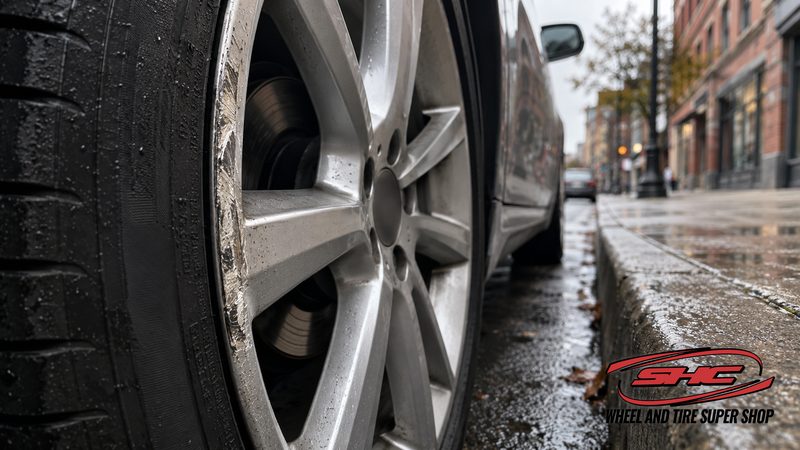
Curb Rash: What Can Be Repaired, What Cannot, and How to Tell
It is nearly always the passenger front, and it happens at parking speed. The four things that actually happen to a wheel edge, why a cracked wheel is a different conversation from a scuffed one, and which finishes make the repair harder.
Read More
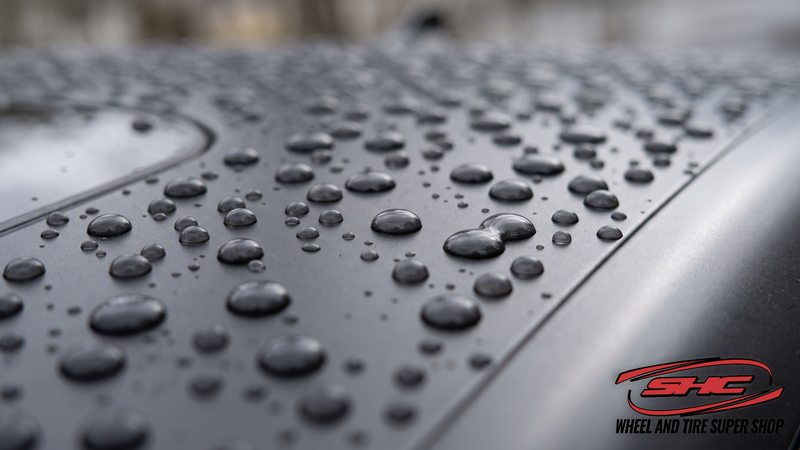
Can You Ceramic Coat a Vinyl Wrap? Yes, and Here Is What It Changes
Satin and matte vinyl collect road film and refuse to come clean. A coating fixes exactly that, does not fix several things people hope it will, and works best applied while the wrap is new.
Read More
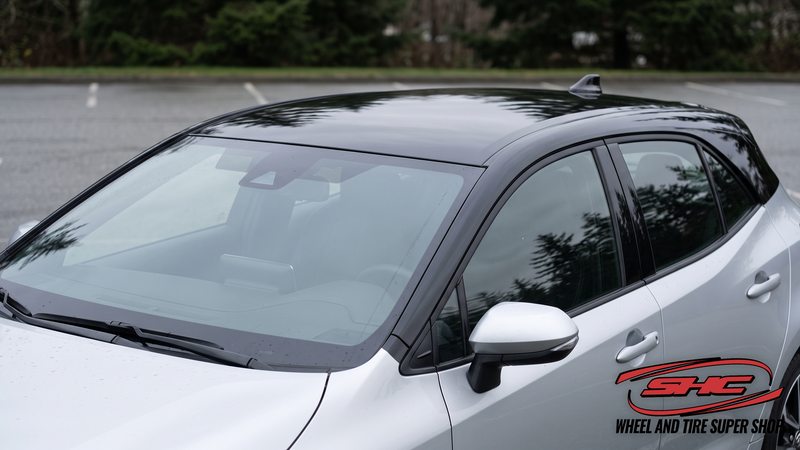
Partial Wraps: Roof, Hood, Mirrors and Stripes from $399
A full colour change is a commitment. A blacked-out roof, a wrapped hood or a set of mirrors changes how the car reads from across a parking lot for a fraction of the cost. What each panel does, and where the practical limits are.
Read More
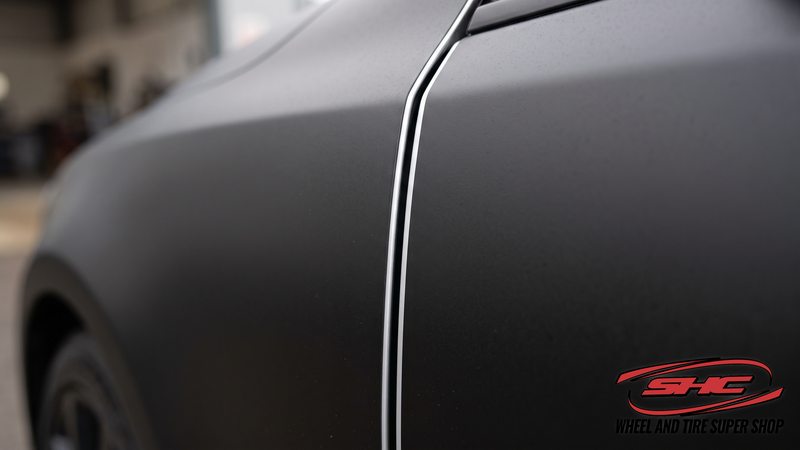
Wrapping a Leased Car: How to Do It Without a Turn-In Problem
The wrap is rarely the problem at lease return. A bad removal, a late removal, or paint that was never a candidate are. Read the modification clause, time it properly, and the paint underneath usually comes back better than the panels that were exposed.
Read More
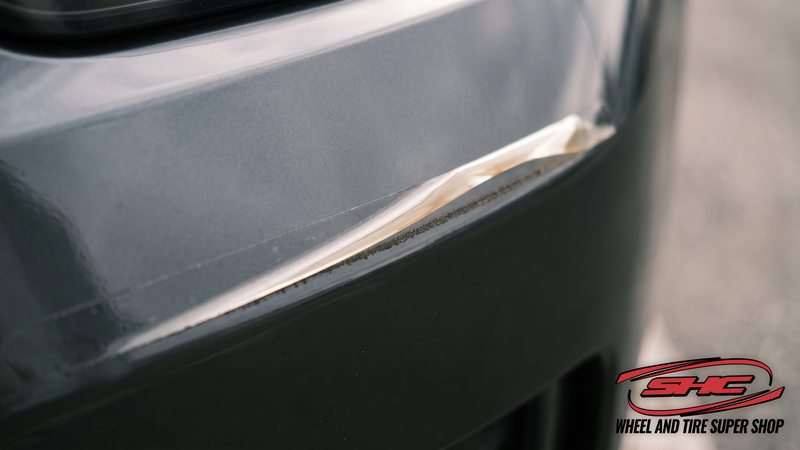
How Long Does PPF Last, and What Does the Warranty Actually Cover?
Film does not wear out evenly and stop. It yellows, it lifts at the edges, it stains. Each failure mode explained, what manufacturer warranties do and do not cover, and the questions worth asking before you buy.
Read More
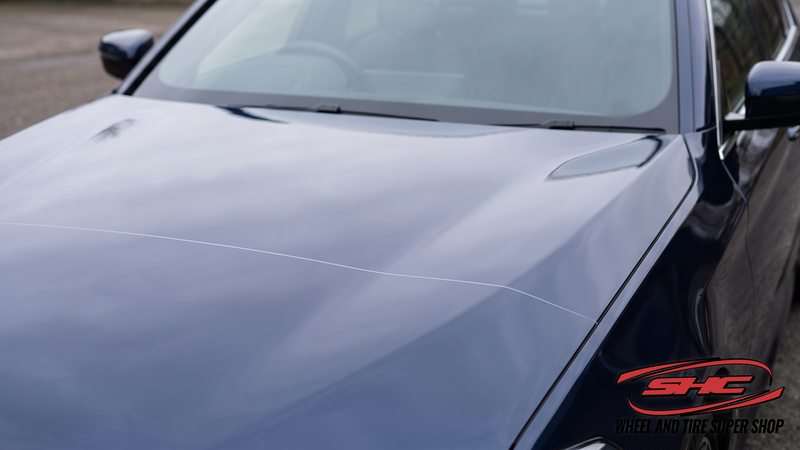
Is PPF Worth It on a Used Car? It Depends on the Paint, Not the Odometer
Film is transparent and it seals in whatever is underneath for its whole lifespan. What has to happen to used paint first, where it stops being worth doing, and why the week you buy a used car is one of the best moments to film it.
Read More
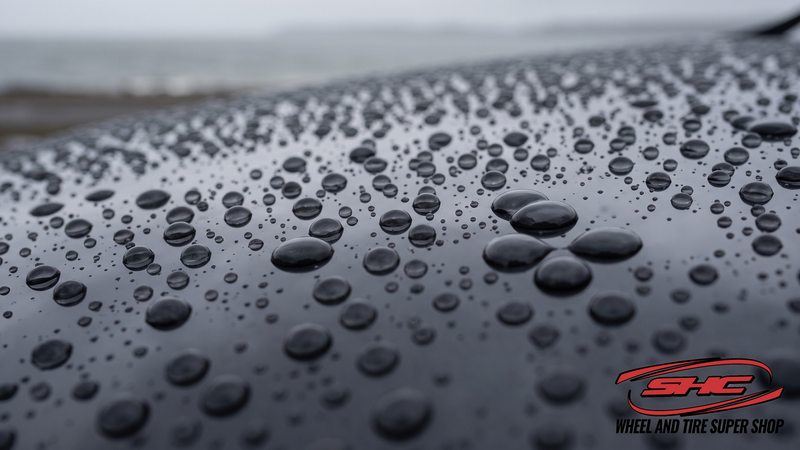
PPF vs Ceramic Coating: They Do Different Jobs, and the Mix-Up Is Expensive
Ceramic coating will not stop a stone chip and was never able to. What each product physically is, how to choose by naming the damage you are actually worried about, and why the order matters if you are doing both.
Read More
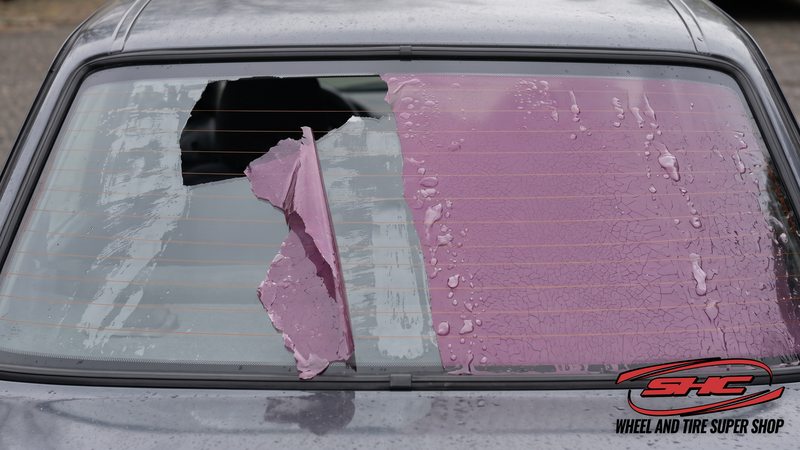
Purple Tint and Bubbles: When to Remove Old Film and What It Costs
Purple film is a dyed tint at the end of its life, and it has been letting UV through for years. Why removal costs more than installation, why the rear window is the expensive part, and when it is worth doing anyway.
Read More
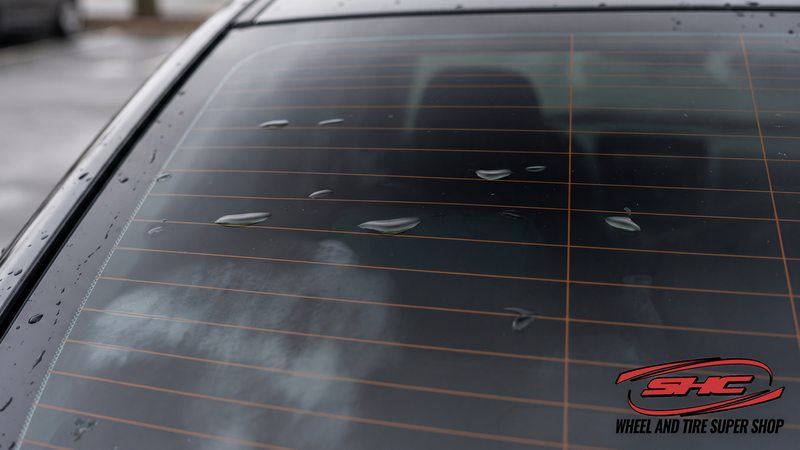
Your New Tint Looks Hazy. Here Is Why, and How Long It Lasts
Haze, water pockets and a milky cast are all normal on a fresh tint job. What curing actually is, how long it takes on the South Island, the four rules while you wait, and the signs that mean you should call us.
Read More
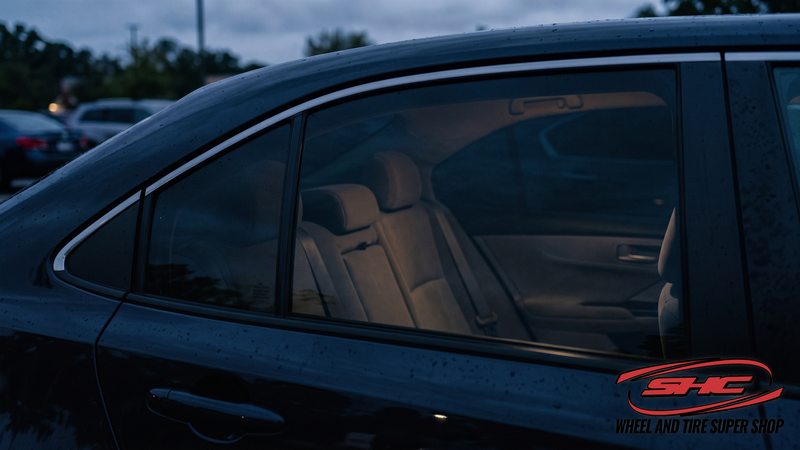
Tint Percentages Explained: What 5, 20, 35 and 70 Actually Look Like
VLT runs backwards from how most people read it. A plain walkthrough of every common shade, what each one does to visibility at night, and why darkness and heat rejection are not the same thing.
Read More
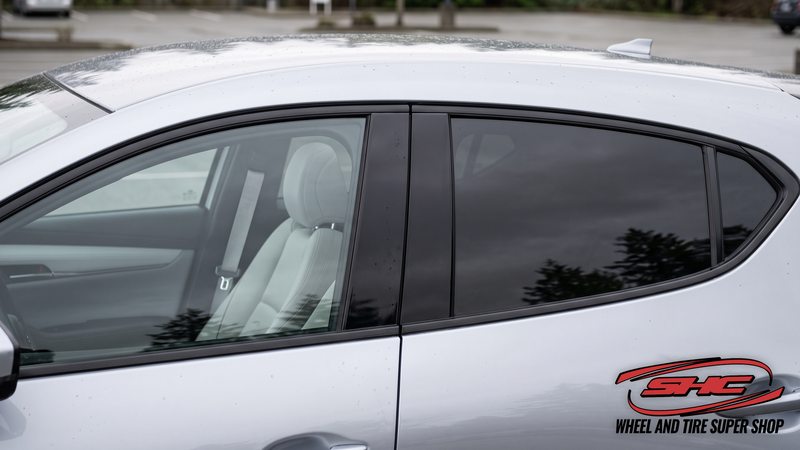
BC Tint Law, Straight: What Is Legal, What Gets Ticketed, and What We Will Still Install
There is no legal tint percentage for your front windows in BC, because the rule is not a darkness limit. Here is what the law actually says, what enforcement costs, and where you can go as dark as you like.
Read More
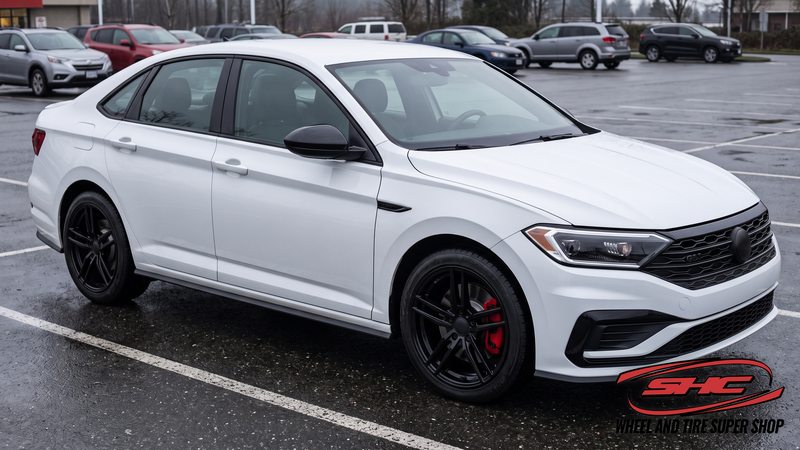
Chrome Delete, Caliper Paint and Badge Work
The cheapest visual changes on a modern car, what is reversible and what is not, and the badge that leaves holes in your fender if you pull it off. Caliper painting starts at $75.
Read More
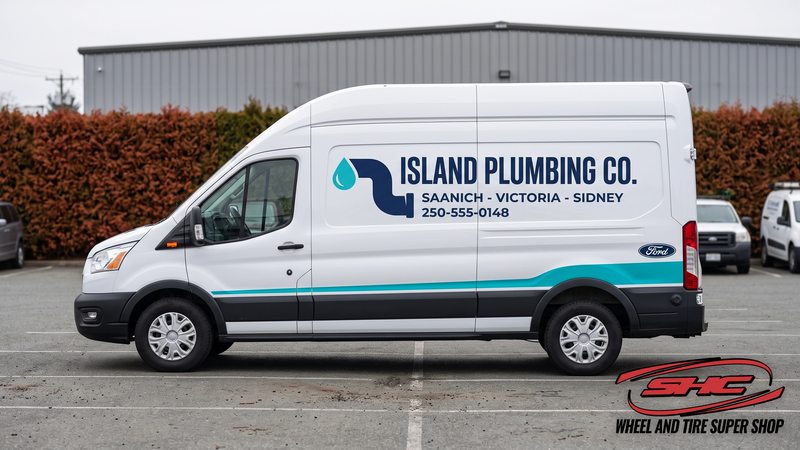
Fleet Graphics and Vehicle Lettering for Island Trades
Your trucks already drive past thousands of people a week. Cut lettering, partial wrap or full wrap, what actually gets read at 60 km/h, and how to spec graphics for a vehicle that lives on gravel.
Read More
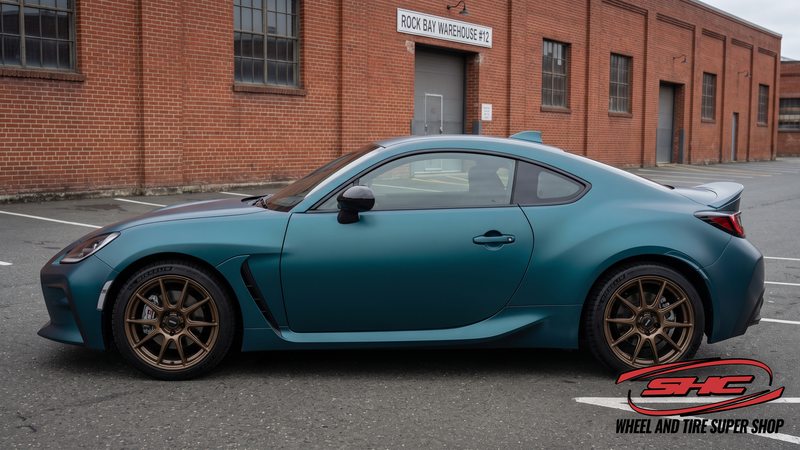
Vinyl Wrap or Repaint: Cost, Durability, Resale
Real lifespan on the wet coast, what a wrap protects underneath, what it will not hide, and the resale argument for keeping factory paint intact. With actual prices rather than ranges.
Read More